


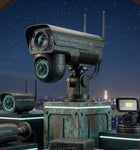
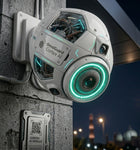
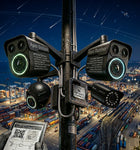


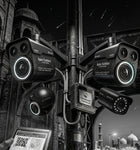
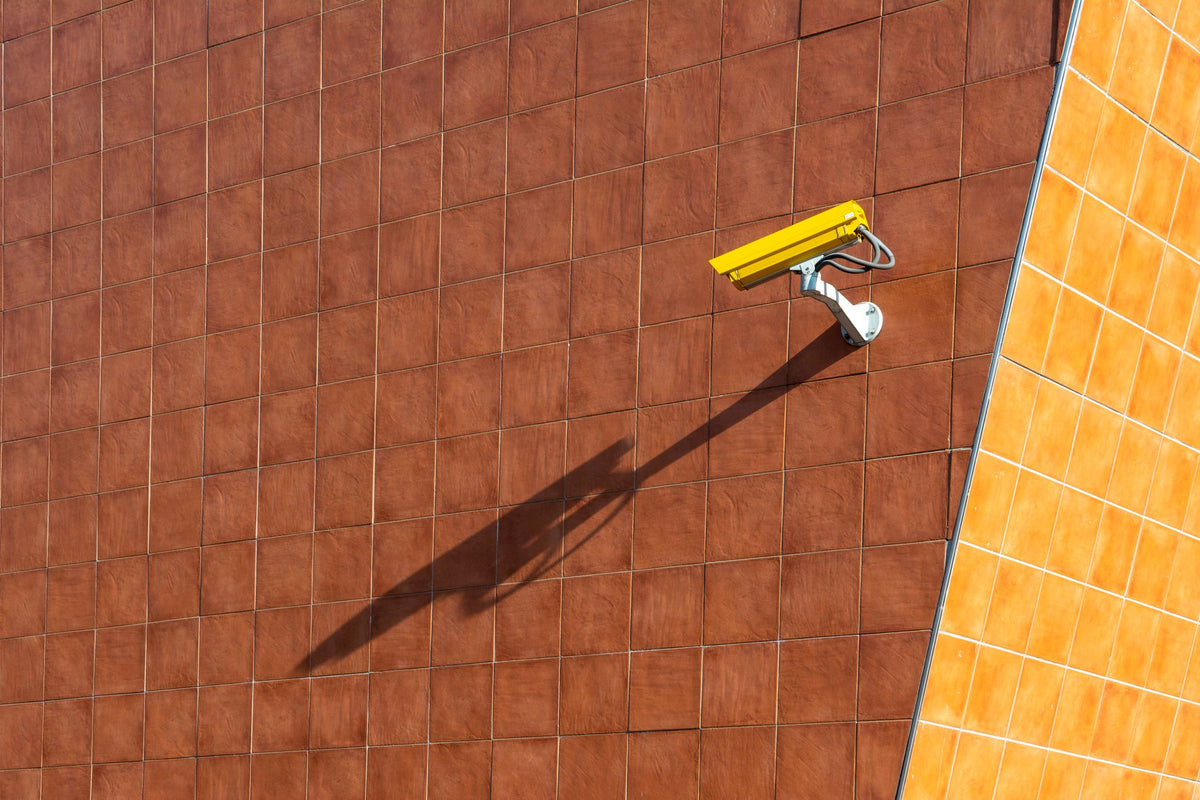
The Legalities of Surveillance: How to Film Safely Without Getting Sued

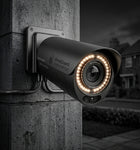
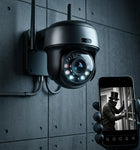
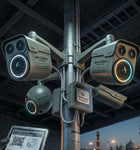
Installing a security camera seems like a straightforward act of self-defense. You buy a camera, point it at your property, and turn it on. However, surveillance technology sits at a delicate intersection of property protection and personal privacy laws. If your camera accidentally records the wrong area, or if you record audio without realizing the local statutes, you could shift from being a victim of a crime to a defendant in a civil lawsuit.
The Breakdown
1. The Expectation of Privacy
The bedrock of surveillance law centers around a legal concept called a "reasonable expectation of privacy."
-
Public vs. Private: Your front driveway, sidewalk, and yard are fair game because they are visible to the public. However, pointing a camera directly at a neighbor's backyard, swimming pool, or bedroom windows violates their legal expectation of privacy, regardless of whether the camera is on your own property.
2. The Audio Recording Trap
Many people don’t realize that recording audio is governed by entirely different, often stricter laws than recording video.
-
Wiretapping Laws: Depending on your jurisdiction (such as "two-party consent" states or countries aligned with GDPR frameworks), recording a conversation without the explicit knowledge and consent of the people speaking can be considered illegal wiretapping. If your outdoor camera features an ultra-sensitive microphone that captures neighbor conversations on the sidewalk, it is legally safest to disable audio recording features entirely.
Conclusion
Protecting your home shouldn't mean infringing on the privacy of others. To keep your surveillance system completely legal, keep your lenses focused strictly within your property lines, use app-based "privacy masking" features to black out neighboring windows, and turn off audio recording if your cameras overlook shared public spaces.