





The True Cost of DIY Home Security: Hidden Fees, Limitations, and When to Call a Pro
The modern consumer security market is dominated by the Do-It-Yourself (DIY) revolution. Eye-catching boxes at local retail stores promise complete home safety in under fifteen minutes for less than a couple of hundred dollars. While these consumer smart-home ecosystems have democratized security, they often present a skewed version of true property protection. Before you pull out your credit card, let’s peel back the marketing layers and look at the real costs, operational bottlenecks, and hidden trade-offs of DIY security ecosystems.
The Breakdown
1. The Subscription Trap
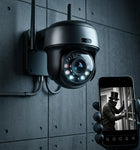
A DIY camera might look like a bargain at $35 upfront, but look closely at the software ecosystem. Without paying a continuous monthly subscription fee per camera, many of these devices turn into simple live-view tools. They won't save recorded history, they won't share clips with family members, and their advanced AI recognition features remain locked behind a corporate paywall. Over a five-year deployment window, that "cheap" camera system can easily out-cost a professional hardware installation.
2. The Battery Bottleneck
Completely wire-free, battery-powered cameras are remarkably simple to mount. However, keeping them running requires regular maintenance. If you place a camera in a high-traffic area, or if your local winter climate drops below freezing, your battery life can plummet from months to weeks. Climbing up a tall ladder every fortnight to pull down cameras for recharging quickly turns into an exhausting chore.
3. Reliability and Liability
If your home Wi-Fi network hiccups during a power outage or a lightning storm, your DIY cameras go dark. Professional systems, by contrast, utilize a dedicated local Power over Ethernet network supported by an Uninterruptible Power Supply (UPS) backup battery. They keep recording safely and securely even if the main power grid and internet backbone fail entirely.
Conclusion
DIY smart cameras are fantastic tools for checking in on package deliveries, monitoring pets, or adding basic security to an apartment. But if you are trying to secure a sprawling estate, protect sensitive commercial assets, or require flawless 24/7 reliability without ongoing system maintenance fatigue, it's time to skip the retail aisles and call a certified professional security installer.